

Co je dřevořezba?
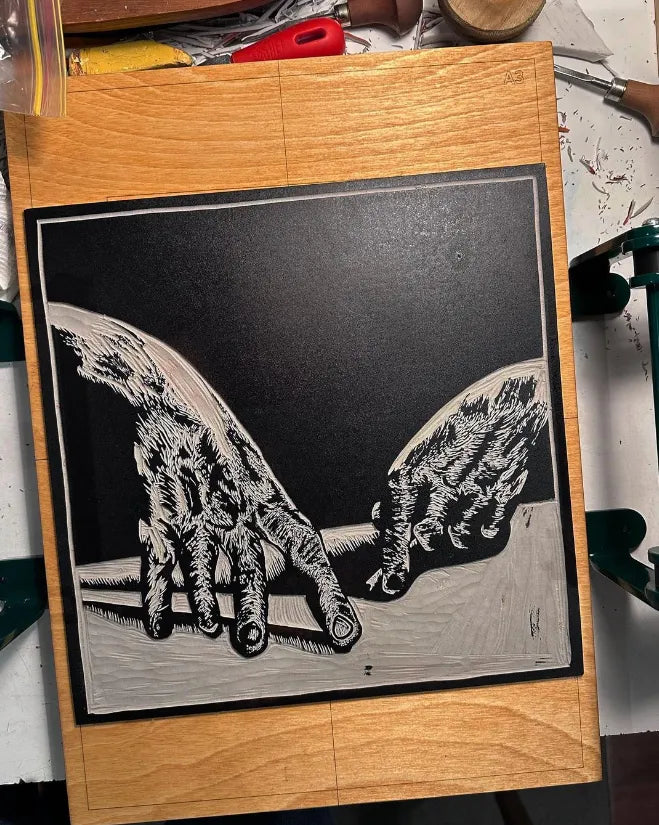
Dřevořezba je technika reliéfního tisku, která zahrnuje nejprve vyřezání vzoru na povrch dřevěného bloku. Obvykle dřevořezný tisk používá řezné nástroje jako speciální nože a dláta k vyřezání vzoru před nanesením inkoustu válečkem. Umělec pak přijme otisk nebo tisk vyvýšených oblastí, které zůstanou po vyřezání a nananesení inkoustu na blok. Části bloku rovné s povrchem média drží inkoust pro vytvoření vzoru, zatímco vyřezané oblasti kolem vyvýšených ploch zmizí a stanou se negativním prostorem v konečném tisku.
V tomto příspěvku sdílím stručnou historii jedné z nejstarších forem tisku. Najděte různé metody a techniky dřevořezného tisku a také některé mé oblíbené nástroje pro dřevořezbu doma.

„Dřevořezba" vs. „dřevotisk"
Nejprve nesmíme zaměňovat pojmy „dřevořezba" a „dřevotisk". Ačkoli někteří umělci tyto pojmy zaměňují, dřevořezba obvykle označuje evropský proces tisku. Proces dřevořezného tisku obvykle používá inkousty na olejové bázi a vytváří otisky nebo tisky pomocí lisu.
Ve srovnání s tím má dřevotisk kořeny v asijském tiskovém umění. Obecně používá průhledné inkousty na vodní bázi a nanáší inkoust na dřevo jemnými tahy štětce. Tato technika pak produkuje mnohem jemnější, prolínané efekty, podobné akvarelové malbě.
Pak je tu dřevogravura, kterou rovněž nelze zaměňovat s dřevořezbou nebo dřevotiskem. Při dřevogravuře se blok řeže podél čelní plochy letokruhů. U dřevořezby se blok řeže podél dřevního vlákna, přičemž inkoust se obvykle nanáší válečkem nebo lisem.

Dřevořezba v průběhu času
Sledování dřevořezby v průběhu času by pokrylo jak východní Asii, tak Evropu, počínaje Čínou. Zde vznikla dřevořezba jako metoda tisku na textil a později na papír. Ve 13. století se techniky dřevořezby dostaly do Evropy a staly se nejstarší technikou pro tisky starých mistrů.
Specializovaní řemeslníci prováděli „řezání bloků" (dřevogravuru). Například řemeslníci byli formschneider (řezači bloků) v Evropě 16. století, kteří sloužili dílnám, tiskárnám a vydavatelům řezáním bloků pro specializované tiskaře.
Jak řemeslo postupovalo, dřevořezný tisk přijal několik metod přenosu umělcova vzoru na dřevo. Některé techniky zahrnovaly kreslení přímo na blok, jiné lepily papír na dřevo nebo prováděly obtahování.
Ve 20. století začali umělci po celé Evropě i Východní Asii přijímat dřevořezný tisk s vlastními modernizovanými technikami. V Japonsku se hnutí sōsaku-hanga (kreativní tisky) stalo opakem hnutí shin-hanga (nové tisky). Sōsaku-hanga si kladlo za cíl odejít od tradičních technik. Na Západě mezitím mnozí umělci začali využívat tiskový lis a popularizovat snazší techniku linorytového tisku.

Moderní techniky dřevořezného tisku
Běžné metody dřevořezného tisku jsou razítkování, otírání nebo tisk pomocí lisu.
- Razítkování zahrnuje vyřezání a nananesení inkoustu na dřevěný blok, který se používá jako razítko otočené vzhůru nohama na kus papíru nebo látky. Je běžnější pro dřevořezný tisk na látku nebo textil.
- Otírání označuje techniku umístění vyřezaného a nainkoust ovaného bloku lícem nahoru na stůl a přetírání vzoru. Umělec leští papír nebo látku na vrchu bloku, přičemž tradičním nástrojem pro toto je tiskový baren. Vezměte například praktický dřevěný baren nebo skleněný baren od Ritualis Press.
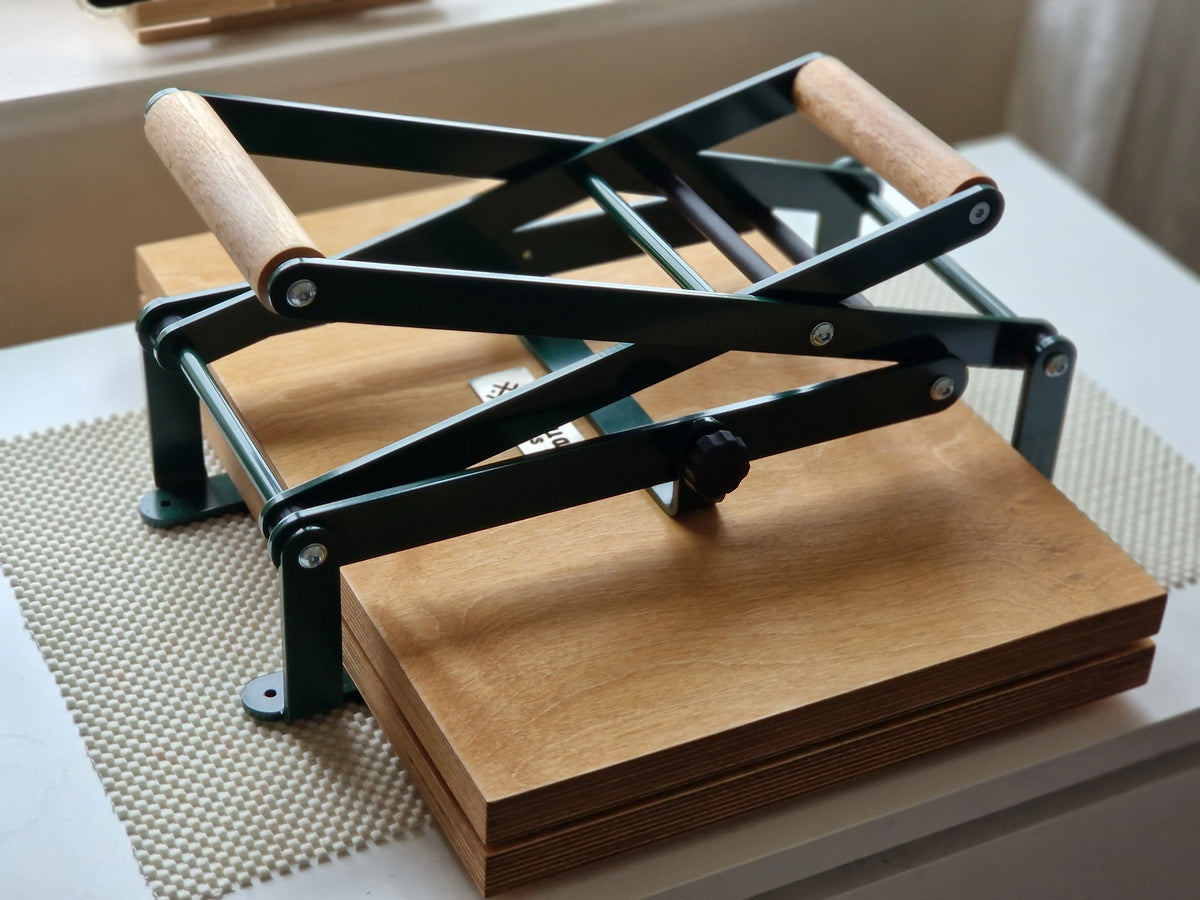
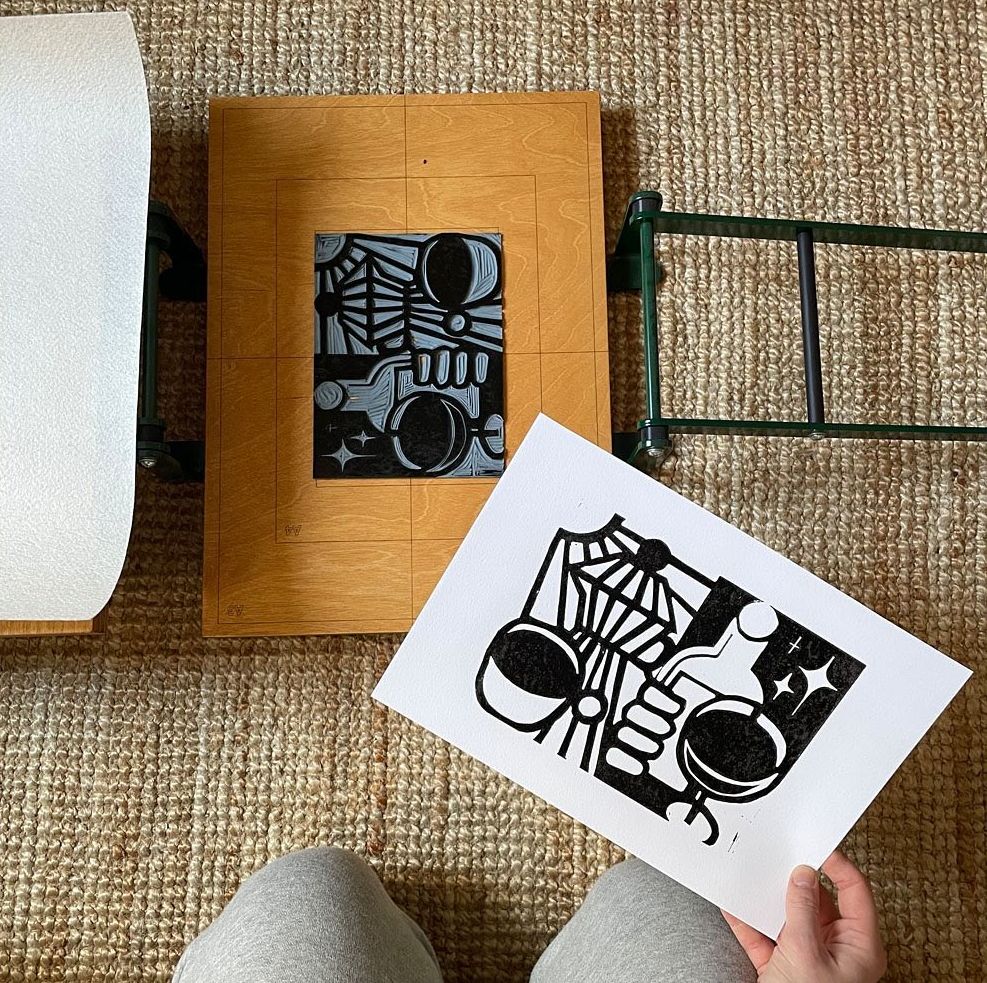
- Tisk s lisem využívá lis pro blokový tisk k nanášení rovnoměrného tlaku na tisky. Vezměte například tiskové lisy Ritualis Press, které jsou víceúčelové pro dřevořezbu i linoryt.
Dřevěný blok bývá obvykle z hruškového dřeva, řezaný podél vlákna a hladce ohoblovaný. Blok prochází zráním pro snížení absorpce vlhkosti a ochranu dřeva před praskáním nebo deformací. Velikost bloku musí podporovat velikost obrazu.
Velikost tiskového lisu nakonec určuje maximální velikost tisku. Při práci s většími tisky proto umělci používají více bloků, které pak skládají dohromady pro tisk blok po bloku. Bloky také obvykle potřebují tloušťku 1 palce pro nejlepší výkon a dlouhověkost.
Dřevořezné tiskové lisy
Dřevořezný tiskový lis je nezbytným nástrojem v domácím ateliéru pro vytváření detailních a texturovaných dřevořezných tisků. Tisk lisem umožňuje snadno nanášet rovnoměrný tlak nezbytný pro nainkoust ované dřevěné bloky. Zvyšuje jasnost obrazu, vytváří hloubku a celkově zefektivňuje a opakuje celý proces.
Ale které lisy jsou běžné pro dřevořezný tisk? Vezměme jako příklad oblíbené funkce tiskových lisů Ritualis Press.

Ritualis Press & lisy pro dřevořezbu nebo linoryt
Tiskové lisy Ritualis Press jsou oblíbené nejen pro dřevořezbu a linorytový tisk, ale také pro blokový tisk, textilní tisk, knihtisk a další. Je to díky jedinečnému designu lisu, který nabízí dvě rukojetě pro rovnoměrné nanášení tlaku na tisky. Každý lis nabízí:
- Robustní konstrukci z oceli, překližky a dubového dřeva.
- Různé velikosti tiskových desek od A3 po A4 a A5.
- Vysoce hodnocené laserově gravírované středové linie a matici.
- Dvě páky pro optimální pohodlí při tisku.
- Tisk až k okraji lisu pro maximální využití velikosti desky.
- Nastavitelné sklony a protiskluzové nastavení.
A to nemluvě o tom, jak nádherně každé zařízení doplňuje domácí ateliér a pracovní prostory. Pečlivě zvolené dřevěné vzory jednoduše vypadají krásně na každém pracovním stole nebo atelier ové polici. Je také snadné lisy sbalit, přepravit a nastavit pro použití kdekoli, kde si užíváte rituál tisku.

Další nástroje a příslušenství pro dřevořezný tisk
Kromě tiskových lisů pro dřevořezbu a linoryt nabídka Ritualis Press zahrnuje mnoho vysoce hodnocených ateliérových nástrojů a příslušenství. Jsou tu řemeslně zpracované tiskové bareny ze dřeva a skla a ateliérové základy: válečky na lino inkoust, lino inkoust, řezací podložky, plsti a další. A Instagram komunita Ritualis Press je plná čerstvých nápadů, jak vše využít. Jsou tu klipy od všech mých oblíbených umělců a tiskařů Ritualis Press, kteří sdílejí vzory, recenze a obsah!
Napsal Justin
Tisk dřevěným barenem – návrat ke kořenům
Použití pinového válečku pro reliéfní tisk blokových tisků